
The Framework
Leadership is not a style you adopt. It is a state you access.
Introduction
Motion Leadership is the operating system for leading under pressure.
It is built on one premise: leadership is not a trait, a style, or a personality type. Leadership is a state you access — and the skill that separates leaders who perform under pressure from those who freeze is the ability to shift states in real time.
Traditional models tell you what effective leadership looks like. Motion Leadership gives you the internal mechanics for executing it when conditions make it hardest — when data is incomplete, demands are competing, emotions are high, and the room is reading your face before you have decided what to show them.
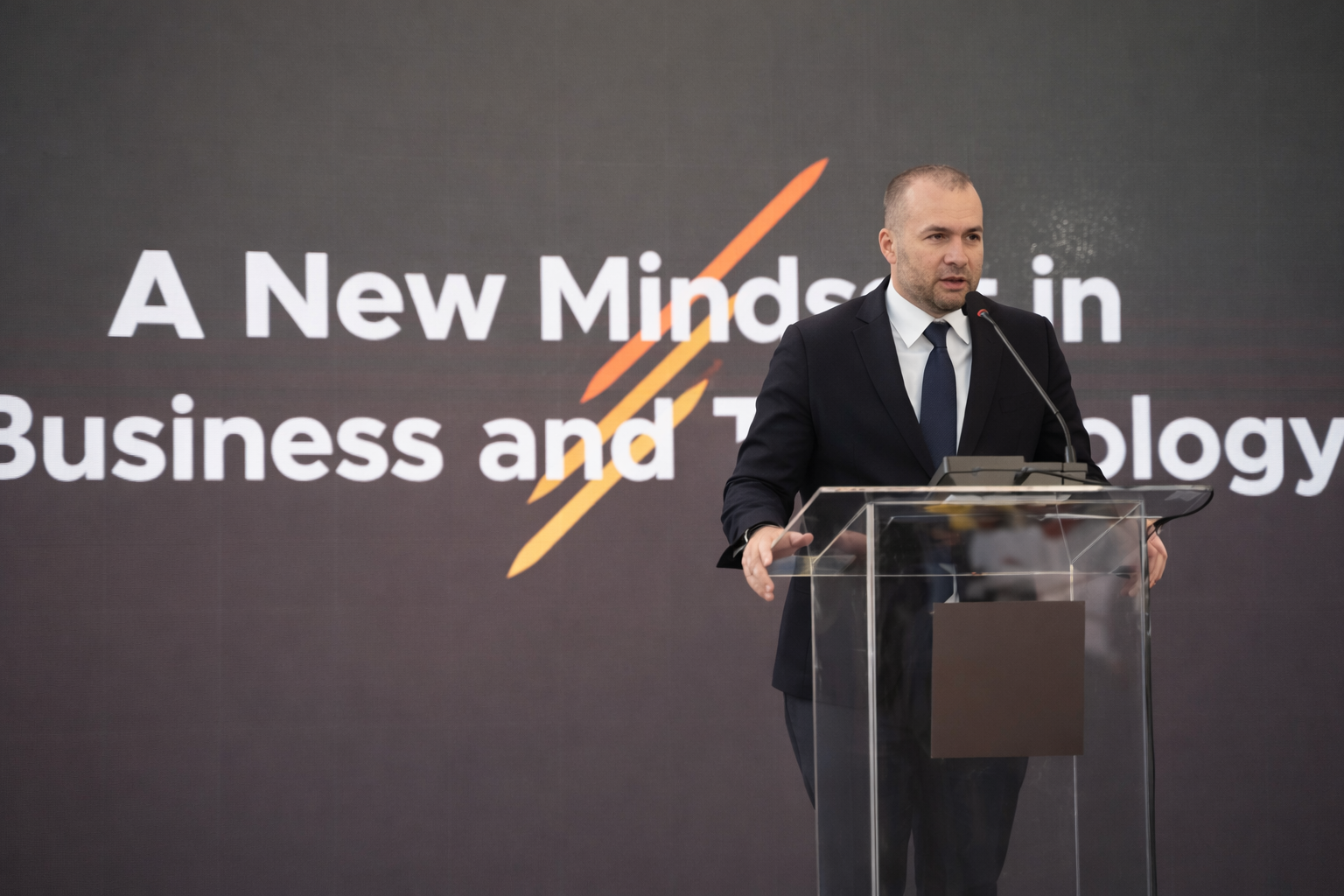

The system was forged in environments where volatility is not an exception but a permanent condition — where leaders learned to function under pressure because the alternative was collapse. It draws on Mediterranean and Balkan leadership cultures, validated by modern neuroscience and performance psychology, and tested across two decades of executive practice.
The Five States
Motion Leadership is built on one premise: leadership is not a trait, a style, or a competency. Leadership is a state you access. And the defining skill of modern leadership is the ability to shift between states in real time.
1. Clarity
DEFINITION
Clarity is the ability to cut through noise, competing demands, and emotional interference to identify the one move that matters. It is not about having all the answers. It is about asking questions that eliminate everything except what is real, what matters, and what is next.
WHEN IT BREAKS
Clarity fractures when urgency masquerades as importance. Leaders in a clarity crisis treat every demand as equally critical, attempt to solve everything simultaneously, and confuse motion with progress. The symptoms are familiar: seventeen open tabs, decisions deferred in the name of gathering more data, language that grows vague as thinking grows scattered.
WHY IT MATTERS
Clarity is the foundation state. Without it, momentum has no direction, energy has no target, balance has no anchor, and impact has no focus. Every leadership breakdown begins with a clarity failure — the inability to separate signal from noise when noise is loudest.
2. Momentum
DEFINITION
Momentum is the conversion of stagnation into sustained forward motion. It operates as a self-reinforcing loop: visible action creates belief, belief creates energy, energy creates more action. The enemy of momentum is not failure. It is invisibility — teams perfecting something nobody can see while belief quietly drains.
WHEN IT BREAKS
Momentum dies in queues. It stalls when teams wait for perfect conditions before starting, when approvals stack faster than actions, and when the gap between decision and execution stretches beyond the team’s tolerance for uncertainty. A team with stalled momentum does not just slow down — it begins to question the mission.
WHY IT MATTERS
In relationship-driven cultures and high-pressure environments, a stalled team is not just inefficient — it is demoralized. Momentum is the emotional engine of leadership. Without it, strategy is a document nobody believes will become real.
3. Energy
DEFINITION
Energy is the fuel behind every decision, every conversation, and every room you enter. It exists on two axes — high to low, productive to destructive — creating four quadrants that determine whether your presence catalyzes action or drains it. Mastery is not staying in one quadrant. It is moving between them with purpose.
WHEN IT BREAKS
Energy breaks when leaders confuse intensity with productivity. Reactive energy — scattered, volatile, agitated — creates chaos and triggers defensiveness. Withdrawn energy — defeated, passive, depleted — drains motivation and signals defeat. Both feel like work. Neither produces results.
WHY IT MATTERS
Your team reads your energy before they hear your words. A leader’s internal state shapes the room before any decision is announced. Energy management is not self-care. It is strategic leadership.
4. Balance
DEFINITION
Balance is the art of maintaining equilibrium when everything around you is pulling in different directions. It operates across three dimensions simultaneously — mind (cognitive clarity under stress), heart (emotional regulation without suppression), and body (physical capacity under sustained load). True balance is not stillness. It is moving with the storm.
WHEN IT BREAKS
Balance fractures in three places, always in sequence. The mind goes first — decisions blur, everything feels equally urgent. Then the heart — emotions stop being signals and start being hijackers. Finally the body — sleep disappears, exhaustion becomes invisible until it floors you. Recovery requires stabilizing all three simultaneously.
WHY IT MATTERS
Without balance, energy burns out. Without balance, clarity cannot sustain under prolonged pressure. Without balance, the leader breaks — and a broken leader breaks the team. Balance is not a luxury state. It is the structural condition for everything else.
5. Impact
DEFINITION
Impact is the transmission of meaning that outlasts your presence. Not a legacy you build after the fact, but a frequency you emit in real time — in how you frame decisions, connect daily work to larger purpose, and transmit belief through the quality of your attention.
WHEN IT BREAKS
Impact fails when leaders communicate what and how but never why. Teams execute without understanding their connection to something larger. Results stay solid while meaning drains. The symptoms are subtle: competent people with flat energy, reliable execution without pride, low turnover but zero fire.
WHY IT MATTERS
Humans do not remember facts. They remember feelings they had while learning facts. A leader who delivers information creates compliance. A leader who transmits meaning creates belief. Impact is the difference between a team that executes and a team that cares.
How the System Works
State → Behavior → Outcome
The Motion Operating System connects all five states into a unified architecture. The states are not sequential — they are situational. In a single morning, a leader may need Clarity at 7:15 AM, Momentum by 9:00, Balance at 10:30, and Impact by noon. The skill is reading what the moment demands and accessing the right state.
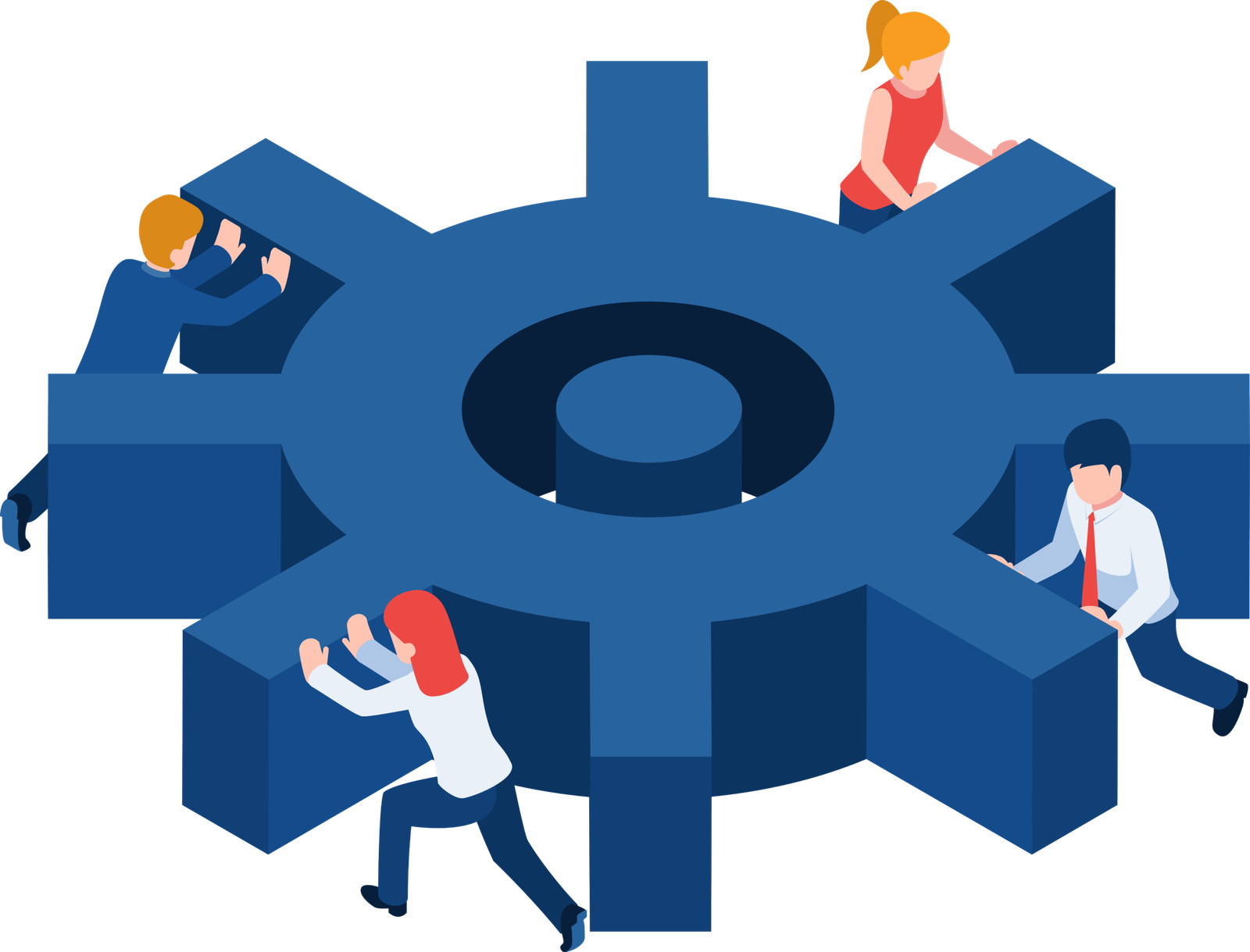
The states reinforce each other. Clarity enables Momentum. Momentum requires Energy. Energy requires Balance. Balance amplifies Impact. Impact loops back to Clarity. This is not a ladder. It is a wheel. And the wheel keeps turning.
How the System Works
State → Behavior → Outcome
The Motion Operating System connects all five states into a unified architecture. The states are not sequential — they are situational. In a single morning, a leader may need Clarity at 7:15 AM, Momentum by 9:00, Balance at 10:30, and Impact by noon. The skill is reading what the moment demands and accessing the right state.
The states reinforce each other. Clarity enables Momentum. Momentum requires Energy. Energy requires Balance. Balance amplifies Impact. Impact loops back to Clarity. This is not a ladder. It is a wheel. And the wheel keeps turning.

WHERE IT APPLIES
Applied Under Pressure
- Decision-making under incomplete information.
- Conflict resolution where emotions are assets, not obstacles.
- Crisis leadership where speed and composure must coexist.
- Growth phases where momentum must be engineered.
- Cultural transformation where behavior must change before beliefs will follow.
Get in touch
The world will not slow down for your development plan.
Your team needs you today. Your organization needs you now. The crisis will come whether you are ready or not.
It starts with the six inches between your ears and the state you choose to bring into the room.
FIND IT OUT
Why Motion Leadership Matters
The world has changed. Leadership training hasn’t.
The models we inherited were built for environments that no longer exist — where leaders had time, information arrived complete, and conditions stayed stable long enough to plan. Today, every leader operates in permanent pressure: faster decisions, incomplete data, emotional stakes, and complexity that refuses to wait its turn.
The capabilities that volatile environments have always required — reading emotions as data, deciding before the picture is complete, building trust that holds when systems fail, recovering from setbacks without losing direction — are now everyone’s requirements.
This is not a regional framework applied globally. This is the operating logic the entire world now needs — finally given a name, a structure, and a system you can deploy tomorrow morning.
Most models assume stable conditions and consistent behavior. In reality, leaders operate in fast-changing, high-pressure situations where static styles break down and adaptability becomes critical.
Leaders gain control over how they think, respond, and act in real time. This leads to clearer decisions, stronger presence, and more consistent performance across different situations.
Mindset focuses on beliefs and thinking patterns. Motion Leadership goes deeper—training the physiological, emotional, and cognitive states that directly drive behavior and performance.
Without state regulation, performance becomes inconsistent and unsustainable. By developing state awareness and control, leaders can maintain high output without burnout.
STAY UPDATED
Stay connected with Motion Leadership for ongoing insights, practical tools, and perspectives on leading under pressure. Follow us on social media to stay updated on new content, programs, and ideas designed to elevate clarity, energy, and performance.
Liinkedin
@motionleadership
Instagram
@motionleadership
twiter
@motionleadership
whatsapp channel
@motionleadership
FIND IT OUT
Why Motion Leadership Matters
Lorem ipsum dolor sit amet, consectetur adipiscing elit. Ut elit tellus, luctus nec ullamcorper mattis, pulvinar dapibus leo.
Yes. While styles can be useful, they are limited in dynamic environments. What determines performance under pressure is not a fixed approach, but the ability to access the right internal state when it matters most.
Most models assume stable conditions and consistent behavior. In reality, leaders operate in fast-changing, high-pressure situations where static styles break down and adaptability becomes critical.
Leaders gain control over how they think, respond, and act in real time. This leads to clearer decisions, stronger presence, and more consistent performance across different situations.
Mindset focuses on beliefs and thinking patterns. Motion Leadership goes deeper—training the physiological, emotional, and cognitive states that directly drive behavior and performance.
Without state regulation, performance becomes inconsistent and unsustainable. By developing state awareness and control, leaders can maintain high output without burnout.

Copyright © 2026 MOTION LEADERDHIP, All rights reserved. Powered by SPECTRUMDCDG.